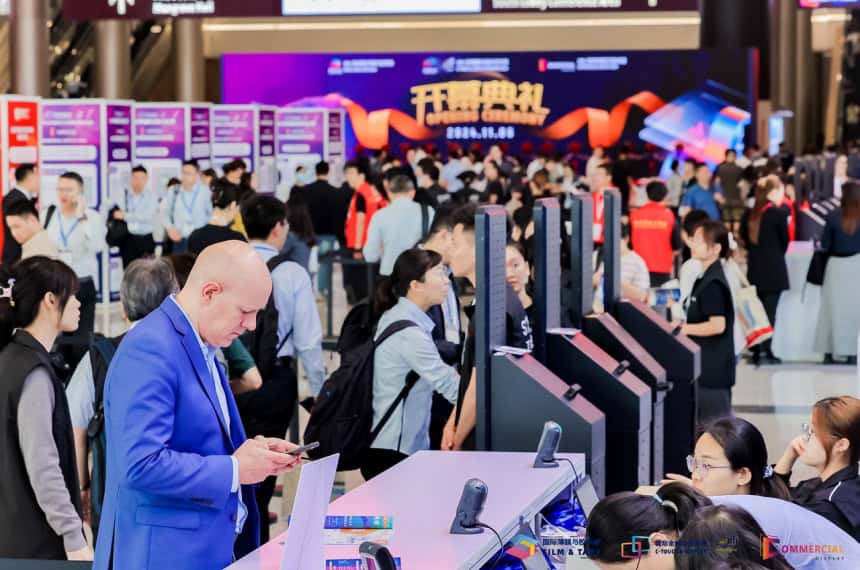

Global Sources Hong Kong Shows Phase II 2026 opened at AsiaWorld-Expo on October 18, bringing pre-owned mobile devices, mass-produced AI products, smart-home technology and lifestyle electronics together in a four-day sourcing event.
Running until October 21, Phase II features more than 2,100 Asian suppliers across over 4,000 booths. Organisers say approximately 160,000 new products are being presented across mobile electronics, smart-home security and appliances, lifestyle electronics, and sports and outdoor products.
The broader show catalogue contains more than 180,000 products, while the 160,000 figure refers specifically to products described as new in the organiser’s opening announcement.
International buyers can find show information and access visitor registration through the Global Sources Hong Kong Shows Phase II 2026 event page.
Phase II 2026 at a glance
| Event information | Details |
|---|---|
| Dates | October 18–21, 2026 |
| Venue | AsiaWorld-Expo |
| Location | Hong Kong |
| Suppliers | 2,100+ |
| Booths | 4,000+ |
| New products | Approximately 160,000 |
| Main sectors | Mobile electronics, smart home, lifestyle electronics, sports and outdoor |
The official Phase II overview describes the event as a sourcing platform for shelf-ready mobile, smart-home and lifestyle electronics from verified Asian suppliers.
Dedicated pavilion targets the pre-owned phone trade
One of the most significant additions is the HKICEC Global Mobile Exchange Pavilion, developed with the Hong Kong International Communications Electronic Chamber.
Global Sources describes it as Asia’s first dedicated B2B pavilion for pre-owned mobile devices. It brings together more than 50 suppliers, refurbishers, distributors, traders and service providers from markets including the Chinese Mainland, Hong Kong, India, Japan, the United Arab Emirates, the United Kingdom and the United States.
Participating companies named by the organiser include Zhuan Zhuan, ATRenew, US Mobile Phones, Belong and ecoATM.
The official pre-owned mobile pavilion overview lists products and services covering:
- New and pre-owned mobile devices
- Professionally tested refurbished smartphones
- Device grading and intelligent testing
- Data sanitisation
- Repair parts and accessories
- Warranty solutions
- Electronics recycling
- Export and supply-chain services
The zone responds to growing demand for lower-cost and more sustainable alternatives to new smartphones. IDC expects the used-smartphone market to continue expanding faster than new-device shipments, with annual growth forecast to ease from 5.8% in 2026 to 4.9% in 2029 as the market matures.
According to IDC’s used-smartphone market analysis, affordability, trade-in programmes, refurbishment capacity and sustainability are helping move second-hand smartphones into the mainstream.
Buyers need consistent grading and data controls
Sourcing used devices presents different risks from purchasing new smartphones.
International buyers should request clear information about:
- Cosmetic and functional grading standards
- Battery health and replacement policies
- Testing procedures
- Data-erasure certification
- International Mobile Equipment Identity checks
- Device-lock and ownership verification
- Repair and replacement parts
- Warranty coverage
- Product origin and traceability
- Applicable environmental and import requirements
Terms such as “Grade A” or “professionally refurbished” do not necessarily have identical meanings across suppliers. Buyers should obtain a written definition of each grade and inspect representative samples before agreeing to volume orders.
Data sanitisation is another important consideration. Devices should be processed using documented procedures that prevent personal information belonging to previous users from remaining accessible.
The organiser says exhibitors will present devices and services addressing international environmental requirements, including European waste-electronics rules. Buyers remain responsible for confirming which product, producer-responsibility, recycling and documentation obligations apply in their target markets.
AI+ Theme Zone expands to more than 1,200 booths
Artificial intelligence is the other major focus of Phase II.
The AI+ Theme Zone contains more than 1,200 booths across seven segments:
- AI terminal devices
- AI wearables
- AI glasses
- AI toys
- AI pet products
- AI personal-health devices
- Other AI-integrated products
The scale of the zone reflects a change in how buyers evaluate AI products. The central question is moving from whether a product includes an AI function to whether the supplier can manufacture and deliver it reliably at commercial scale.
Buyers should examine whether the AI feature solves a genuine customer problem, how the system handles personal data and whether important functions depend on an external subscription or cloud service.
Other relevant questions include supported languages, software-update policies, model availability, cybersecurity, regional restrictions and the length of technical support.
Tencent presents its AI ecosystem in Hong Kong
Tencent is participating with ecosystem partners under the theme “AI-Empowered Business Growth.”
Its exhibition area includes the WorkBuddy AI office assistant and enterprise-focused tools from ecosystem partners, including Buda.im and Busabase.
The official Phase II onsite programme also lists Tencent-led presentations, practical AI workshops and demonstrations involving RoboticX and open-source AI projects.
An accompanying AI Agent Summit brings together more than 100 representatives from technology, investment and related industries. Discussions focus on moving AI agents from demonstrations towards commercial deployment, industry standards and revenue-generating applications.
For buyers, the important distinction is between a working product and a technology demonstration. Suppliers should be able to explain production status, minimum order quantities, delivery schedules, data requirements and which services will remain available after purchase.
Taiwan, China pavilion highlights the AI supply chain
Global Sources has partnered with the Taiwan Electrical and Electronic Manufacturers’ Association to organise the official “Taiwan AI Supply Chain Theme Pavilion,” featuring companies and supply-chain capabilities from Taiwan, China.
The pavilion focuses on AI modules, electronic components and contract-manufacturing capabilities.
This upstream presence should help buyers connect finished AI products with the modules and manufacturing services behind them. It may be particularly relevant to companies seeking custom product development rather than ready-made consumer devices.
Buyers considering an OEM or ODM partnership should establish ownership of designs, firmware, tooling and intellectual property before development begins. They should also clarify whether components can be substituted during production and how changes will be approved.
Vietnam Sourcing Fair supports supply-chain diversification
A dedicated Vietnam Sourcing Fair features approximately 50 export-ready Vietnamese manufacturers.
Products cover three principal groups:
- Fashion products and apparel
- Home and kitchenware
- Gifts and packaging
The zone allows buyers to compare suppliers from China’s established manufacturing base with emerging production capacity in Vietnam during the same exhibition visit.
This may be useful to companies seeking to diversify their supply chains, but buyers should compare more than headline labour or unit costs. Logistics, component availability, production capacity, quality control, lead times and local sourcing depth can substantially affect the final commercial result.
A supplier with a factory in Vietnam may also continue to source important components or materials from China. Buyers should therefore ask where each major production stage takes place.
More than 2,000 booths focus on mobile accessories
Mobile accessories remain one of the largest sourcing categories at Phase II, with more than 2,000 booths presenting products such as:
- Phone cases
- Charging devices
- Cables
- Mobile-device stands
- Screen protection
- Wireless accessories
- Repair parts
New flagship smartphone launches can create immediate demand for compatible accessories. However, they also increase the risk of buyers ordering products before final device measurements or technical requirements have been confirmed.
Buyers should verify model compatibility, charging standards, electrical safety, material claims and packaging rights before placing large orders.
The Global Buyer’s Top Picks creative phone-case contest is also being held to identify designs considered to have strong commercial potential.
Smart home, security and lifestyle products broaden the show
Phase II extends beyond smartphones and AI devices.
Other important product categories include:
- Smart-home appliances
- Security cameras and monitoring systems
- Smart access control
- Cybersecurity solutions
- Wearable electronics
- Personal-care and beauty technology
- Health and wellness devices
- Smart pet products
- Fitness technology
- Outdoor and sports electronics
- Energy-storage and charging products
The concurrent Hong Kong Security Tech Show covers surveillance, smart access control and cybersecurity. It is supported by the China Chamber of Commerce for Import and Export of Machinery and Electronic Products.
Buyers sourcing connected products should examine app security, data storage, wireless compatibility and the supplier’s software-maintenance policy. A connected product may remain physically functional while becoming commercially unusable if its app or cloud service is discontinued.
Innovation awards emphasise commercial readiness
The Phase II Best of Innovation Awards cover mobile electronics, smart home, security, lifestyle electronics, and sports and outdoor products.
Judging criteria include practicality, cost-effectiveness, technological maturity and market relevance.
A new AI Innovation Award recognises the application of artificial intelligence, while the Best Product Design Award is presented with the European Product Design Award.
Awards can help buyers identify potentially interesting products, but they should not replace independent supplier and product verification. Certification, production readiness, intellectual-property ownership and after-sales support still need to be examined separately.
Phase II follows the Consumer Electronics and Gaming Show
The second phase follows Global Sources Hong Kong Shows Phase I 2026, which ran from October 11–14.
Phase I concentrated on consumer electronics and gaming, including computer peripherals, audiovisual products, automotive electronics, batteries, charging products and gaming equipment.
Phase II shifts the focus towards mobile devices, AI-integrated products, smart living, lifestyle electronics and outdoor products. Together, the two phases give international buyers access to a broad electronics and consumer-product sourcing programme across October.
What international buyers should do before attending
Buyers planning to visit Phase II should prepare a shortlist based on product category, required certifications and target order quantities.
For efficient supplier meetings, bring:
- Written product specifications
- Target pricing and expected order volumes
- Required certification standards
- Packaging and branding requirements
- Questions about tooling and customisation
- Target sample and production schedules
- A supplier-evaluation checklist
Buyers should also distinguish between prototype demonstrations and products already available for volume production.
For pre-owned devices, request grading samples and data-erasure documentation. For AI products, test the core feature and confirm whether it works in the intended market. For smart-home products, examine connectivity and security. For outdoor electronics, verify water, dust, temperature and impact-resistance claims.
Phase II connects emerging products with production capacity
Global Sources Hong Kong Shows Phase II 2026 reflects two major changes in electronics sourcing.
First, the growing pre-owned smartphone industry requires more structured B2B channels for grading, testing, data sanitisation and compliant international distribution.
Second, AI products are moving from experimental demonstrations towards mass production. Buyers are consequently placing greater emphasis on delivery capability, software support and commercially useful applications.
With more than 2,100 suppliers and 4,000 booths, the show gives international buyers a broad marketplace for comparing these emerging opportunities. Its practical value will depend on how carefully buyers verify products, suppliers and long-term support before placing orders.